
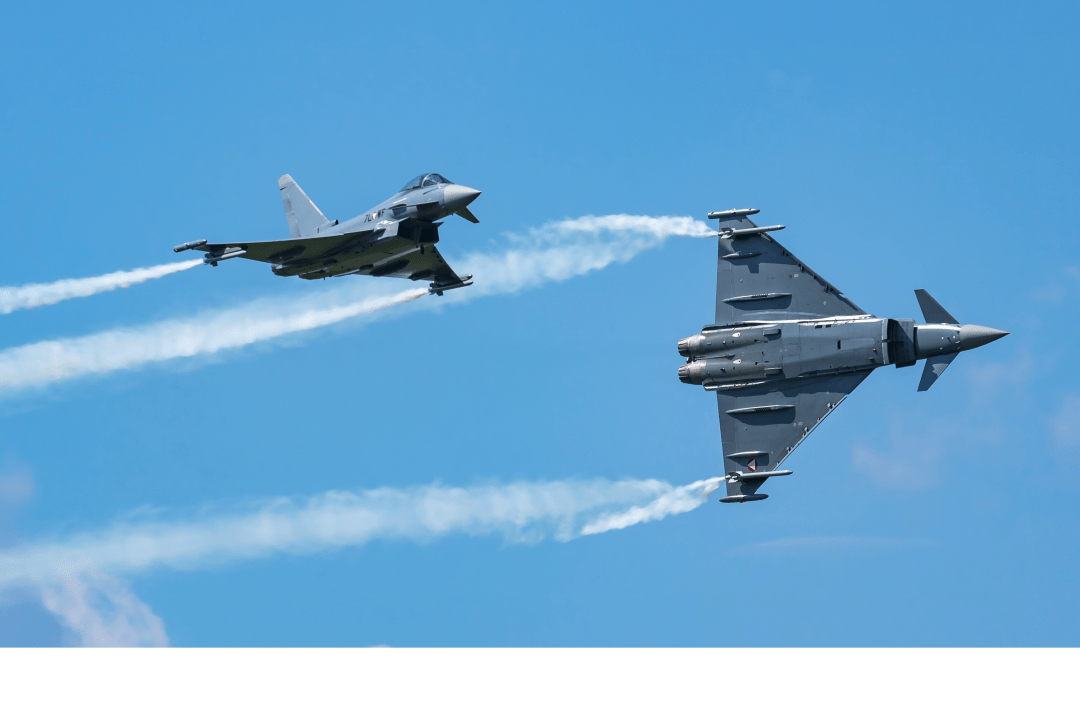
Estimates of real military spending for 2024, in terms of military purchasing power parity (mPPP) are now available, thanks to recent updates by SIPRI and IISS. The data show significant gaps between military spending measured at market exchange rates and military spending estimated in terms of what it can purchase at local prices. The differences … Continue reading Real Military Spending 2024 – Military PPP
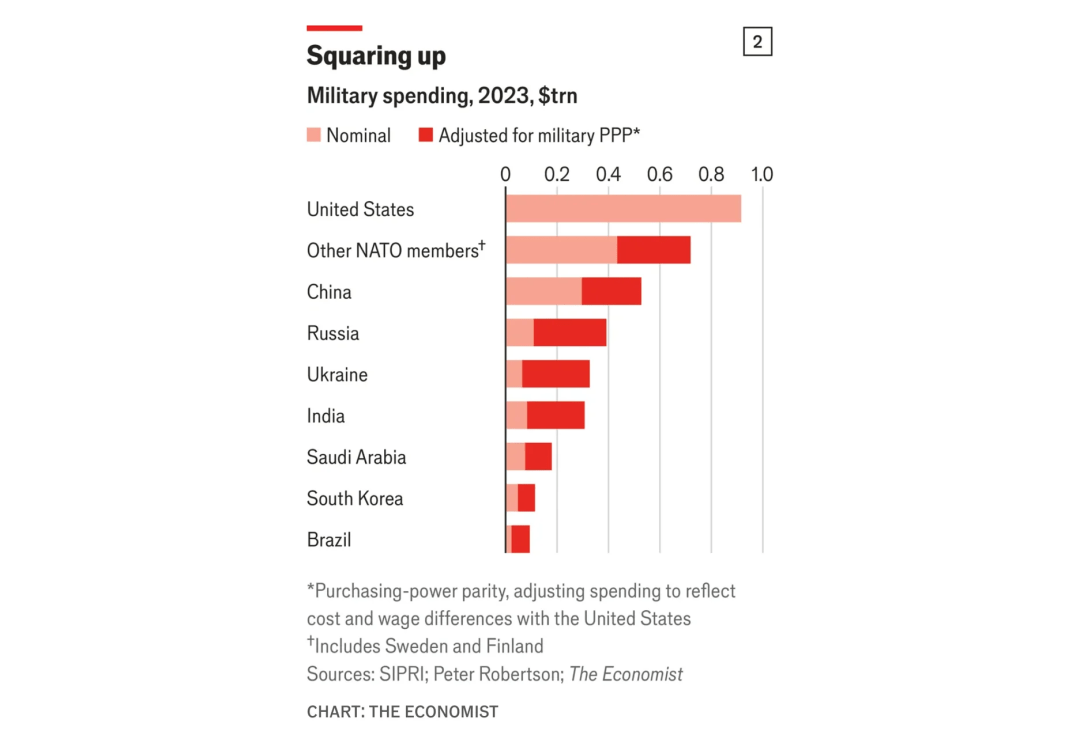
World Military Spending- The Economist
The Economist magazine takes PPP exchange rates seriously. Using price data to construct real exchange rates allows more meaningful compassions of real military inputs across countries. This is my fourth collaboration with The Economist's data team in the Graphic Analysis column. They have reported on SIPRI's latest update of world military spending in 2023. Thee … Continue reading World Military Spending- The Economist
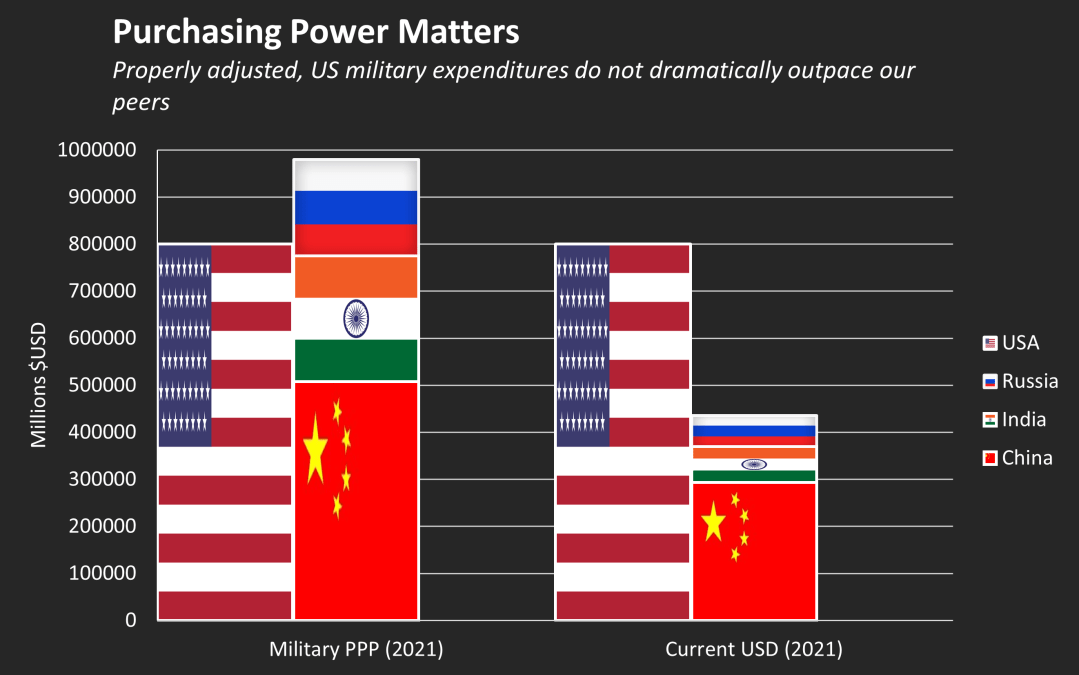
“The Defense Budget Bogeyman”, by Sean Morgan
The Defense Budget Bogeyman by Sean Morgan is an good introduction to understanding the USA's defense budget in an intrenational context. The graph featured and below highlights market exchange rate and military PPP differences.

USA’s Spending less dominant as China and Russia are ramping up – The Economist
The Economist's Data team analyse world military spending trends In dollar terms America spends more on its armed forces than the next ten countries combined. But when comparing military budgets, nominal values can only say so much. Read Article here

The Russian Defence Budget
A good summary of the measurement issues faced when sizing up Rusia's overall defennce stregth, published in the UK Defence Journal by J. Vitor Tossini "According to the most recent estimates using market exchange rates, the British defence budget surpassed Russia’s in 2020 and continued to grow faster than the Russian in 2021. However, a … Continue reading The Russian Defence Budget
Russian Ballet in the Indo Pacific
The Russia-Ukraine war has several obvious lessons for China and India. It shows that overwhelming military firepower is no insurance against humiliation, that security guarantees can be of little value, and that conventional war can escalate despite the threat of nuclear weapons.

Bang for the Buck: The military gap between Russia and Ukraine is vast. But not as wide as it may appear.
As Russia continues to wage war in Ukraine, the fighting has not been as one-sided as might have been expected. Despite being outgunned and outnumbered, Ukraine inflicted more casualties in 24 hours than Russia suffered over eight years of engagements in Syria.

Is China too big to be resisted?
This week former prime minister Paul Keating scoffed at the Morrison government’s new AUKUS alliance and nuclear submarine deal, noting that China is the world’s largest economy and so Australia’s eight nuclear submarines are “like throwing toothpicks against a mountain”.
 militaryppp.com