
Peter Robertson, Lee Kuan Yew School of Public Policy India Brief #200, March 2022
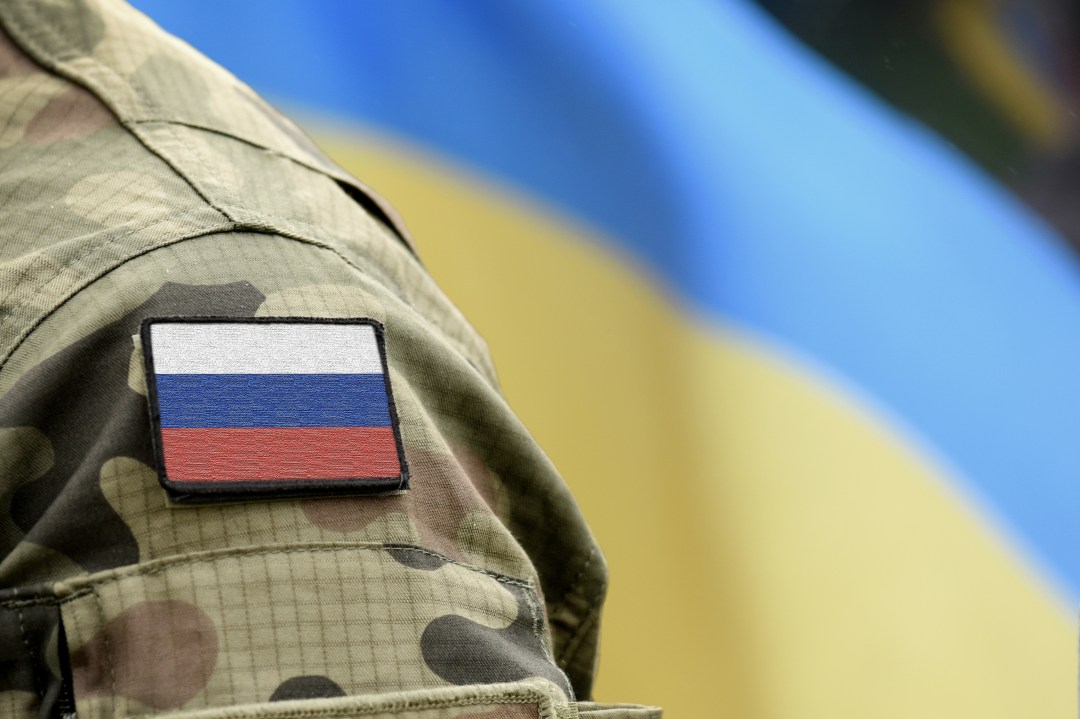
The Russia-Ukraine war has several obvious lessons for China and India. It shows that overwhelming military firepower is no insurance against humiliation, that security guarantees can be of little value, and that conventional war can escalate despite the threat of nuclear weapons. These are important observations for countries who share common borders and are embroiled in a battle for control over disputed territories and maritime sea-lanes.
But the Russia-Ukraine war is likely to signal deeper concerns to both China and India about their ties to Russia and what is important in the long game over national security and control of the Indo-pacific.
Scrutiny of China’s support for Russia has been intense, shifting from its votes in the UN, to whether it might provide a viable economic crutch for Russia, or even direct military support. The Ukraine crisis is also a watershed moment for India. India is still very dependent on other countries for military technology. It is the world’s largest importer of arms, most of which, is supplied by Russia which accounts for over half of India’s total arms imports. India desperately needs to catch up with China in per capita GDP terms and develop its own defence industrial base. Until it does, balancing against China requires importing weapons.
Hence, Russia’s diplomatic relations with both India and China are founded on a technological arms race between the two emerging great powers. While China and India may have their hands tied in the short run, how will the Russia-Ukraine war affect their long run ability to balance against each other’s interests?
 militaryppp.com